Rat Control in Jacksonville, FL
Roof rats running the attic or scratching overhead at night? Get them removed and the high entry points along the soffits and roofline sealed before they gnaw wiring or push deeper inside.
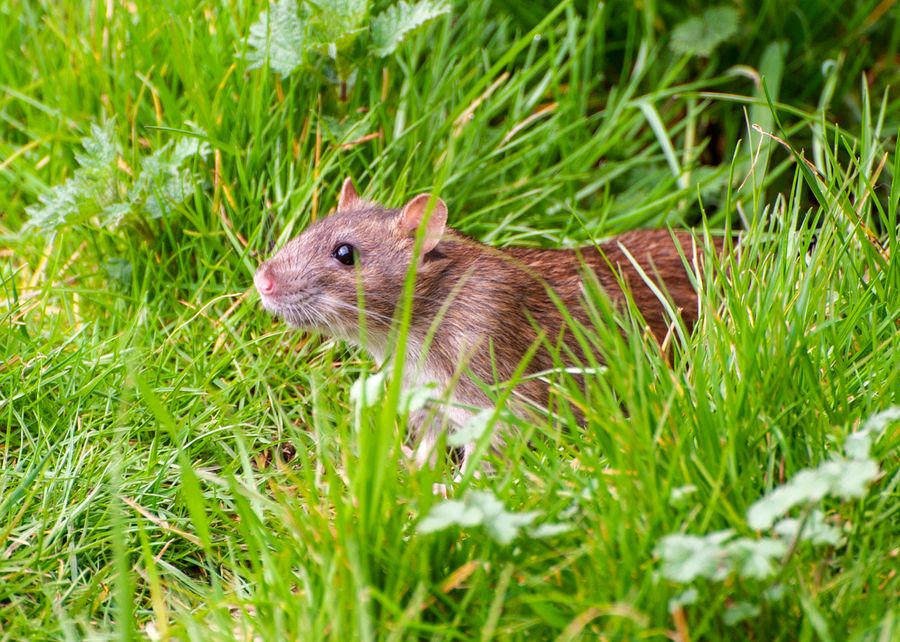
Rat control in Jacksonville is mostly a roof rat story. The roof rat, also called the fruit rat or citrus rat here in Florida, is the state's dominant rat and an excellent climber. It lives up high and uses palm fronds, oak limbs, utility wires, and fences to reach the roofline, then slips into attics and soffits through small gaps. Jacksonville's heavy oak canopy, its palms, and its concrete-block homes with tile or shingle roofs give roof rats everything they want. Telling the rat from a mouse and finding where it climbs in is the first job when you call 904-593-1371.
Rats matter more than mice for one reason. They gnaw. A rat can chew through soft utility lines, subfloor, and wiring, and their teeth never stop growing, so they never stop. Jacksonville's warm subtropical climate has no real winter, so rats stay active and breed year-round and the pressure never shuts off. The rat you almost always have here is the roof rat up high, with Norway rats a second concern down low. Here is how the work goes.
Roof rats: the Jacksonville attic and soffit problem
Roof rats are sleek climbers that live up high, in attics, soffits, and wall voids. They travel the oak canopy and the palms that shade so much of Jacksonville, run along utility wires and fence tops, and drop onto the roof, then enter through gaps at the soffit, the roofline, the gable vents, and where the roof meets the wall. Screened lanais and pool cages give them another climbing frame right against the house.
The signs are overhead: scratching and scurrying in the attic and ceiling at night, greasy rub marks along the eaves and rafters, droppings in the attic insulation, and gnawed wiring or citrus and fruit stripped from the yard. Roof rat control means clearing the attic runs, trimming the climbing routes back, and sealing the high entry points along the soffit and roofline with metal-backed material so the rats cannot climb or gnaw their way back in.
Norway rats: the slabs, garages, and canals
Norway rats are the heavy burrowers that live down low. In Jacksonville they run along concrete slabs, into garages, and out of the canals and older sewer lines around downtown and the industrial areas. They burrow near the foundation of a slab-on-grade home, nest under sheds and porches, and travel drainage and canal banks at ground level.
If the activity is clearly low, along the garage, the slab, or a canal-side yard, a local technician confirms whether it is Norway rats down low or house mice that have moved into the walls. The species drives the plan, because a high climber and a low burrower are removed and sealed out in completely different parts of the house.
Why sealing matters more with rats
A rat that can gnaw will reopen a soft patch, so the sealing has to be done with steel mesh, hardware cloth, and rodent-proof sealant, not foam or steel wool alone. That is the difference between a fix that lasts and one that fails in a season. With roof rats in Jacksonville, most of the sealing happens high, at the soffits, the roofline, the gable and roof vents, and the gaps where the roof meets the wall.
It also protects the home. Rats gnawing near wiring is a real fire risk, and nesting in attic insulation and soffits causes damage that adds up. Getting them out and closing the entry points is home protection, not just rodent removal. Ask for the inspection first so the plan matches your specific home, and pair it with exclusion and sealing.
One call for the whole house
Because Jacksonville's rat problems usually live high, along soffits, rooflines, and the trees that touch them, a real fix looks at the whole shell of the house, not one room. The inspection confirms roof rats and maps every climbing route and gap before any work starts.
You get an honest read, upfront pricing, and no obligation. Pair trapping with sealing, and, where rats have fouled an attic, add cleanup to finish the job.
Jacksonville rat control questions
Are the rats in Jacksonville roof rats or Norway rats?
Almost always roof rats. They live high, climb the oaks, palms, wires, and fences to the roofline, and enter attics and soffits. Norway rats, the low burrowers, show up along slabs, garages, and the canals downtown. The inspection confirms which rat you have.
How are rats getting into my attic?
Roof rats climb. Palm fronds, oak limbs, utility wires, and fence tops give them a path onto the roof, and then a gap at the soffit, gable vent, or roofline lets them in. The inspection finds the climbing routes and the openings and the plan seals them.
How long does rat control take?
Removing an active rat population usually takes one to a few weeks of trapping and follow-up, depending on the size of the group. Sealing can often be done alongside it. You get a timeline after the inspection.
Will the rats come back?
Not through the same openings if they are sealed properly with metal-backed materials at the soffit, roofline, and vents. Rats return when trapping is done without sealing, because the entry points are still open for the next one to climb into.